How to Choose the Right Motor for Heavy Industrial Doors?

Time:2026-07-06 Author:Oliver
0%

Choosing the right motor for heavy industrial doors is critical for efficiency and safety. These doors play a crucial role in operations. A poorly selected motor can lead to operational inefficiencies and costly repairs. Understanding the specific needs of your facility is paramount.

When evaluating "how to choose the right motor for a heavy industrial door," consider several factors. Door weight, size, and use frequency are essential. Motors vary in power and type. A mismatch can cause wear and tear, affecting longevity. Consider environmental factors too. Extreme temperatures can impact motor performance.

Ask yourself: do you have enough information to make the best decision? Not all motors perform well under demanding conditions. Reflect on past experiences. Were the doors operational during peak times? Choosing a reliable, efficient motor can improve productivity and ensure safety. Don't overlook the expertise required in this choice.
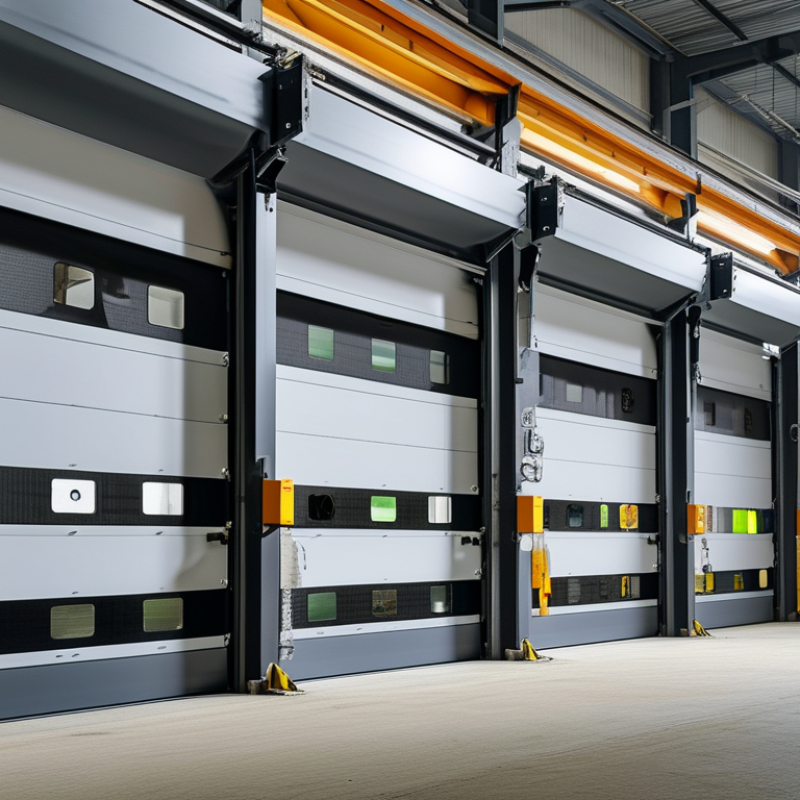
How to Choose the Right Motor for Heavy Industrial Doors?

Understanding the Load Requirements for Heavy Industrial Doors

Choosing the right motor for heavy industrial doors requires a deep understanding of load requirements. Heavy industrial doors can vary in weight, size, and material. These factors directly influence the motor's power needs. It’s crucial to accurately evaluate the door's weight to ensure the motor selected meets the demands of the opening and closing cycles.

Tips: Consider the environment where the door operates. Factors such as temperature fluctuations and moisture levels can impact motor efficiency. Inconsistent performance may arise if the environment is not factored in adequately.

Also, think about the frequency of use. A motor that operates constantly needs to be more robust than one used sporadically. Choosing a motor without considering usage patterns can lead to premature failure. Analyze your workflow carefully to ensure optimal motor choice.

Tips: Always consult with professionals to gauge the exact load requirements. Precision is key in motor selection. An incorrect guess can lead to increased maintenance costs and downtime. Understanding the load will mitigate risks and improve operational efficiency in the long run.

Evaluating Different Types of Motors: Hydraulic vs. Electric

When it comes to choosing motors for heavy industrial doors, the choice often boils down to hydraulic and electric systems. Hydraulic motors are known for their power and durability. They excel in handling heavy loads and can operate in harsh conditions. Many industries rely on hydraulic systems for their lifting capabilities. However, these systems require regular maintenance and can be costly to install. The fluid leaks are another downside that could lead to operational hazards.

On the other hand, electric motors are increasingly popular due to their energy efficiency. They offer a cleaner operation and are generally easier to install. Electric systems can be equipped with advanced controls, enhancing automation capabilities. Nonetheless, they might struggle with extremely heavy doors. Choosing the right type of motor depends on the specific needs and operational environment.

Understanding the limitations of each motor type is crucial. Hydraulic systems may provide more strength, but they come with complexity and risk. Electric motors may simplify usage, but lack some power output. A reflective assessment of operational demands can guide this decision-making process. Balancing power needs and maintenance expectations is key.

Determining Control Options: Manual vs. Automated Systems

When choosing a motor for heavy industrial doors, control options play a crucial role. Users often debate between manual and automated systems. Manual systems require physical effort, which can lead to operator fatigue. Workers may find manual operation inefficient, especially in high-traffic areas.

Automated systems offer ease and speed. They can minimize human error and increase safety by reducing hands-on contact. However, they require a reliable power source and consistent maintenance. Not all environments suit automation well. Some locations may face frequent power interruptions, making manual control a more reliable alternative.

Selecting the right control option involves assessing operational needs. If the doors are frequently used, automation can reduce strain. But, if budgets are tight or conditions change often, manual systems might be preferable. Each choice has its merits and limitations. Understanding these nuances leads to better decision-making.

Assessing Duty Cycle and Performance Ratings for Reliability

Selecting the appropriate motor for heavy industrial doors involves understanding duty cycles and performance ratings. Duty cycles measure how long a motor can run before needing to cool down. Higher duty cycle ratings indicate that the motor can handle continuous operation. This is crucial for doors that open and close frequently, such as those in high-traffic areas. Performance ratings also determine how well the motor tolerates heavy loads and extreme conditions.

Consider internal factors when assessing duty cycles. Each motor has a specific operating environment. Ensure it matches the door's requirements. Evaluate the temperature, humidity, and dust levels. High temperatures can diminish performance and reliability. Dusty environments can also lead to motor wear if not accounted for.

Tips: Always consult equipment manuals for performance standards. Identify the maximum load your door will bear. Avoid motor overloads; they can lead to failures. Regularly inspect the motor and the door mechanisms for optimal function. Listen for unusual noises during operation. These can be early indicators of issues. Balancing load requirements with appropriate duty cycles can ensure a long-lasting, efficient system.

How to Choose the Right Motor for Heavy Industrial Doors? - Assessing Duty Cycle and Performance Ratings for Reliability

Motor Type Duty Cycle (%) Max Load Capacity (lbs) Operating Speed (RPM) Efficiency Rating (%)
AC Induction Motor 75 2000 1800 90
DC Brushed Motor 50 1500 3000 85
Servo Motor 100 3000 4000 92
PMDC Motor 60 1200 2500 80
Gear Motor 40 1000 1500 88

Considering Noise Levels and Environment Suitability for Motors

Choosing the right motor for heavy industrial doors involves various considerations, especially noise levels and environmental suitability. Motors operating in factories, warehouses, or other industrial settings must comply with specific acoustic requirements. According to a 2020 report by the International Organization for Standardization (ISO), industrial equipment noise can reach levels above 85 dBA, posing health risks to workers. Therefore, opting for low-noise motors significantly enhances workplace safety and comfort.

When selecting a motor, consider the environment. Harsh conditions such as dust, moisture, or extreme temperatures demand robust designs. A motor with an IP rating of 65 or above ensures protection against dust and water ingress. Additionally, remember that optimal performance often varies with ambient temperatures. For instance, a motor might perform efficiently at 25°C but may struggle in a freezing environment.

Tip: Always assess the ambient conditions before choosing a motor. If working outdoors, ensure it's weatherproof. Ensure the motor has proper insulation to handle temperature fluctuations. Also, consult noise level data and select a motor designed for low acoustic emissions. Evaluate compatibility with existing systems. This can save costs long-term. Prior planning minimizes inefficiencies down the road.

FAQS

: What are the key factors to consider for heavy industrial door motors?

: Weight, size, and material of the doors are crucial. These factors affect power needs directly.

How does the environment impact motor efficiency?

Temperature fluctuations and moisture levels can reduce performance. Consider these factors during motor selection.

Why is usage frequency important when choosing a motor?

Constantly-used motors need to be more robust. Sporadic use can allow for different requirements.

What can happen if the load requirements are guessed incorrectly?

It can lead to increased maintenance costs and operational downtime. Precision is vital for motor selection.

Should I choose manual or automated control systems for doors?

It depends on operational needs and the environment. Manual systems need physical effort, while automated systems can increase speed.

What are the limitations of automated systems?

They require consistent power and maintenance. In areas with power interruptions, manual operations might be more reliable.

How does worker fatigue affect manual operation?

Manual systems can lead to operator fatigue, especially in busy areas. This can impact efficiency over time.

Is it essential to consult professionals for motor selection?

Yes, consulting experts helps in accurately gauging load requirements, leading to better performance.

What happens if automation isn't suitable for the environment?

If conditions change often, manual systems may be more adaptable and sensible for operations.

Can poor decision-making affect workflow?

Yes, incorrect choices can disrupt workflow and lead to operational inefficiencies. It's essential to think carefully.

Conclusion

Choosing the right motor for heavy industrial doors is crucial for ensuring efficient operation and longevity. To begin, it is essential to understand the load requirements of the doors, as this will influence the type of motor needed. There are mainly two types of motors to consider: hydraulic and electric, each with its own advantages and suitability for different applications.

Further, when determining how to choose the right motor for a heavy industrial door, one must evaluate control options—whether manual or automated systems best meet operational needs. Additionally, assessing the duty cycle and performance ratings ensures that the selected motor can handle the expected workload reliably. Finally, considering noise levels and the environmental conditions of the installation site will help in making a decision that aligns with operational safety and comfort standards.

Oliver

Oliver

Oliver is a seasoned marketing professional with a wealth of expertise in driving brand awareness and engagement. With a deep understanding of our company's product offerings, he consistently delivers high-quality content that enriches our professional blog. His insights not only shed light on......