Fire safety is a critical aspect of building design and management, especially for commercial properties. Understanding what are the fire safety ratings for commercial shutters is essential for ensuring adequate protection. According to the National Fire Protection Association (NFPA), approximately 40% of businesses affected by a fire never reopen. This statistic underlines the importance of reliable fire safety solutions.
Commercial shutters can be a vital part of a fire safety strategy. Many products come with specific fire ratings. These ratings help determine how effectively they can contain fire and smoke. Research indicates that rated shutters can withstand high temperatures for significant periods. However, not all shutters are created equal, and choosing the right one requires careful consideration.
While various products claim high fire ratings, it is essential to consult expert reviews and certifications. The reality is that some options may not meet necessary safety standards. Investing in lower-quality shutters can create long-term risks. Thus, understanding fire safety ratings is crucial for property owners aiming to protect their investments and ensure safety for occupants.
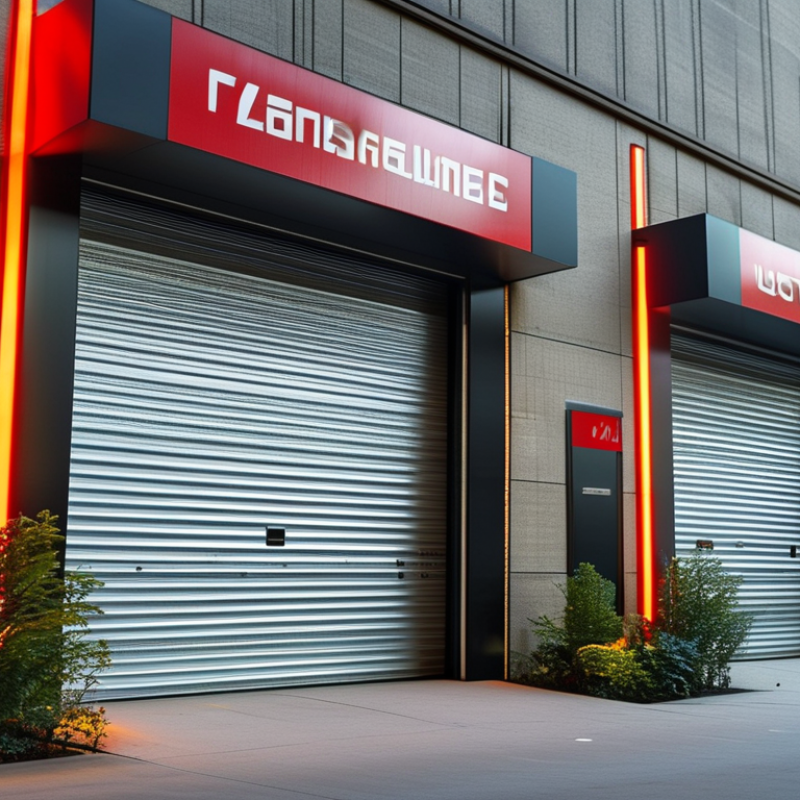
Fire safety ratings for commercial shutters are crucial for protecting businesses. Understanding these ratings can help owners make informed decisions. Various ratings are assigned based on materials and testing methods. These ratings indicate the effectiveness of shutters in resisting flames and heat.
Different classifications exist, such as UL 10B or UL 10C ratings. Each rating assesses several factors, including temperature rise and flame spread. A shutter with a high rating provides better protection against fire hazards. However, the complexity of these ratings can be confusing for some. It’s important to consult experts when selecting commercial shutters.
Business owners should also consider installation and maintenance aspects. Proper installation ensures that shutters perform as intended. Regular inspections are essential for long-term reliability. Sometimes, people overlook these factors. This can lead to unfortunate consequences during emergencies. Fire safety requires ongoing attention and improvement for optimal effectiveness.
: Fire safety ratings indicate how well shutters resist flames and heat. They help protect businesses from fire hazards.
Different ratings, like UL 10B or UL 10C, assess shutter effectiveness. Higher ratings offer better fire protection to businesses.
Proper installation ensures the shutter’s effectiveness. Consult experts to avoid mistakes that could be harmful during emergencies.
Regular inspections are crucial for ensuring long-term reliability. Overlooking maintenance can lead to serious risks.
Tests evaluate materials' ability to withstand heat and flames. Methods include BS tests, UL tests, and NFPA standards.
A non-compliant shutter could compromise safety. Regular re-evaluations are essential to adapt to evolving regulations.
Certification from recognized bodies adds credibility. It helps ensure that products meet necessary fire safety standards.
Yes, some materials might struggle after prolonged exposure. This oversight can become a significant issue over time.
Ratings can affect insurance premiums and coverage. Higher ratings may help reduce costs and improve asset protection.
Owners must balance compliance, safety, and costs. Regular evaluations of materials and safety plans are vital to avoid risks.
The article "Top Fire Safety Ratings for Commercial Shutters Explained?" provides an in-depth look at what are the fire safety ratings for commercial shutters and the importance of understanding these ratings in ensuring safety in commercial spaces. It details the key standards and regulations that govern these ratings, emphasizing the need for businesses to remain compliant with local fire safety laws.
Additionally, the article elaborates on the various factors that influence fire safety ratings, including material composition and design features of the shutters. It also discusses the types of fire safety tests conducted on commercial shutter materials, helping businesses comprehend the ratings that reflect their fire resistance. Ultimately, the piece serves as a crucial resource for businesses seeking to make informed decisions when selecting fire safety rated shutters, ultimately enhancing their overall fire safety measures.

 Vistaro Door